
CAPITALISM vs SOCIALISM: 2026 Edition
The debate between capitalism and socialism today is much less about choosing one over the other and more about where to draw the line between markets and the state.
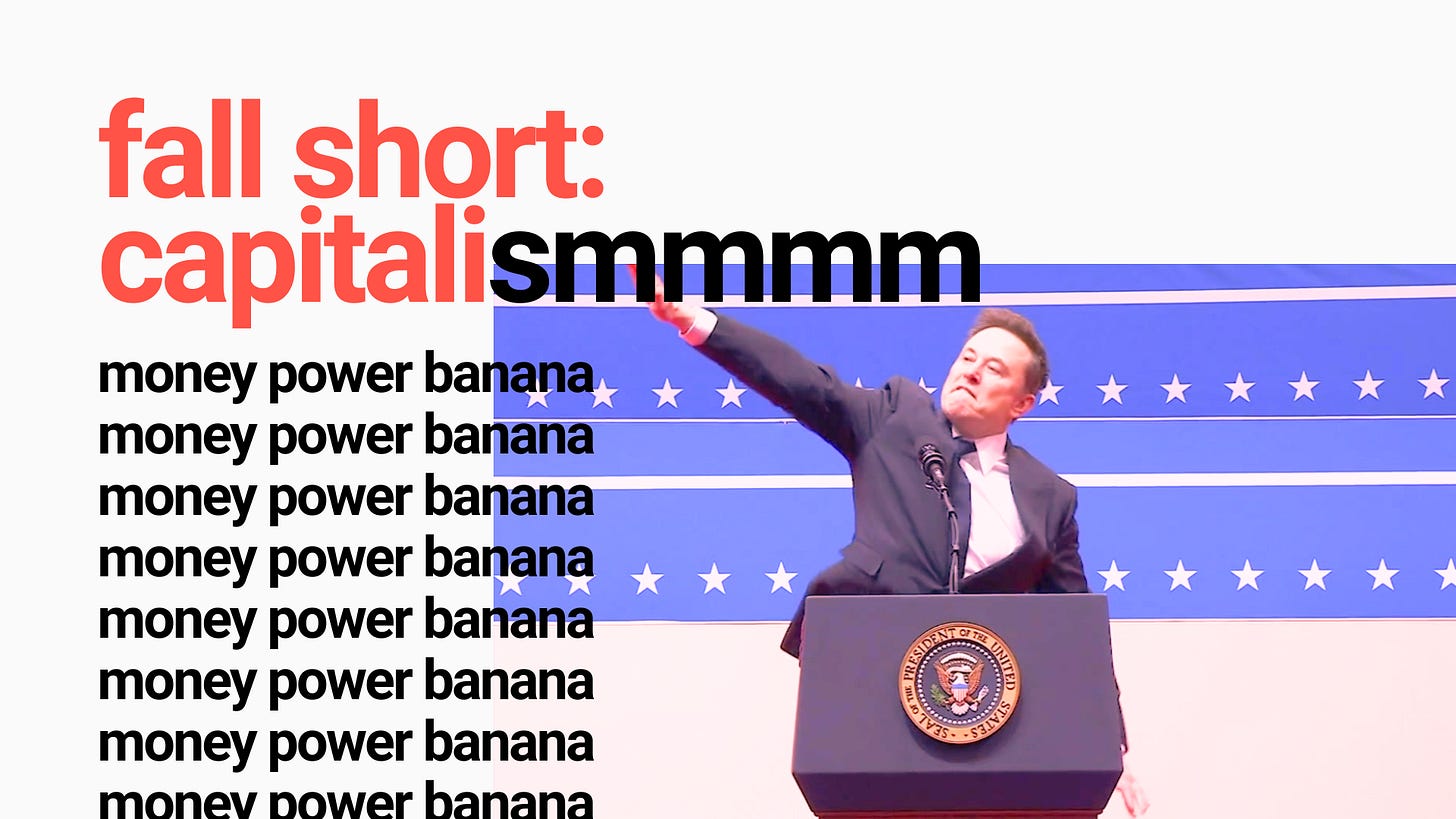
If you’ve spent even a few minutes on social media, you’ve probably seen someone claim that capitalism is destroying society or that socialism has never worked. The debate is often loud, emotional, and deeply polarized.
[
But the world isn’t nearly that simple.
The truth is that almost every successful economy today is built on a combination of both capitalist and socialist principles.
UNDERSTANDING CAPITALISM
At its core, capitalism is an economic system where private individuals and businesses own the means of production. Companies compete with one another, consumers decide what succeeds through their purchases, and prices are largely determined by supply and demand.
[
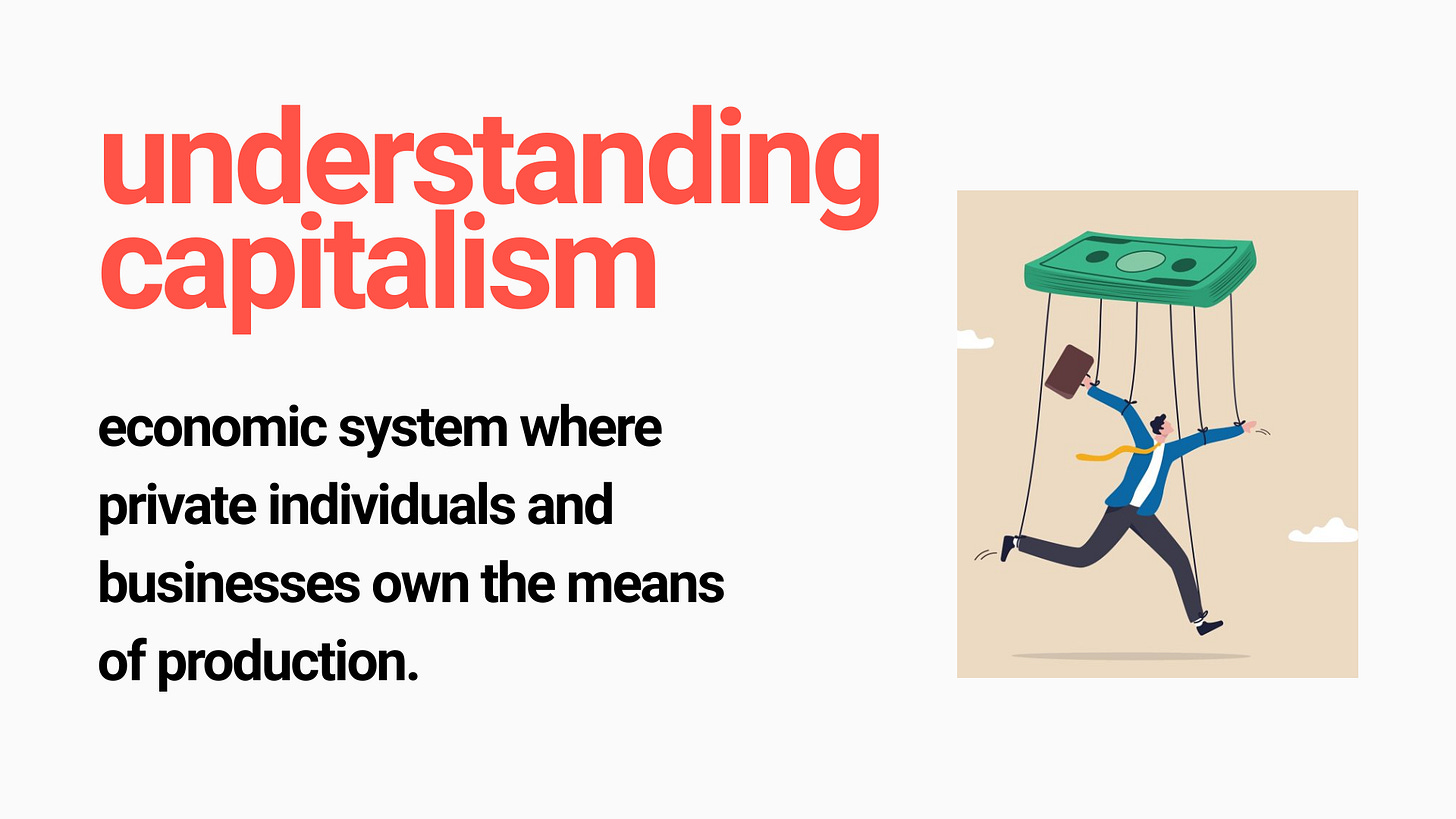
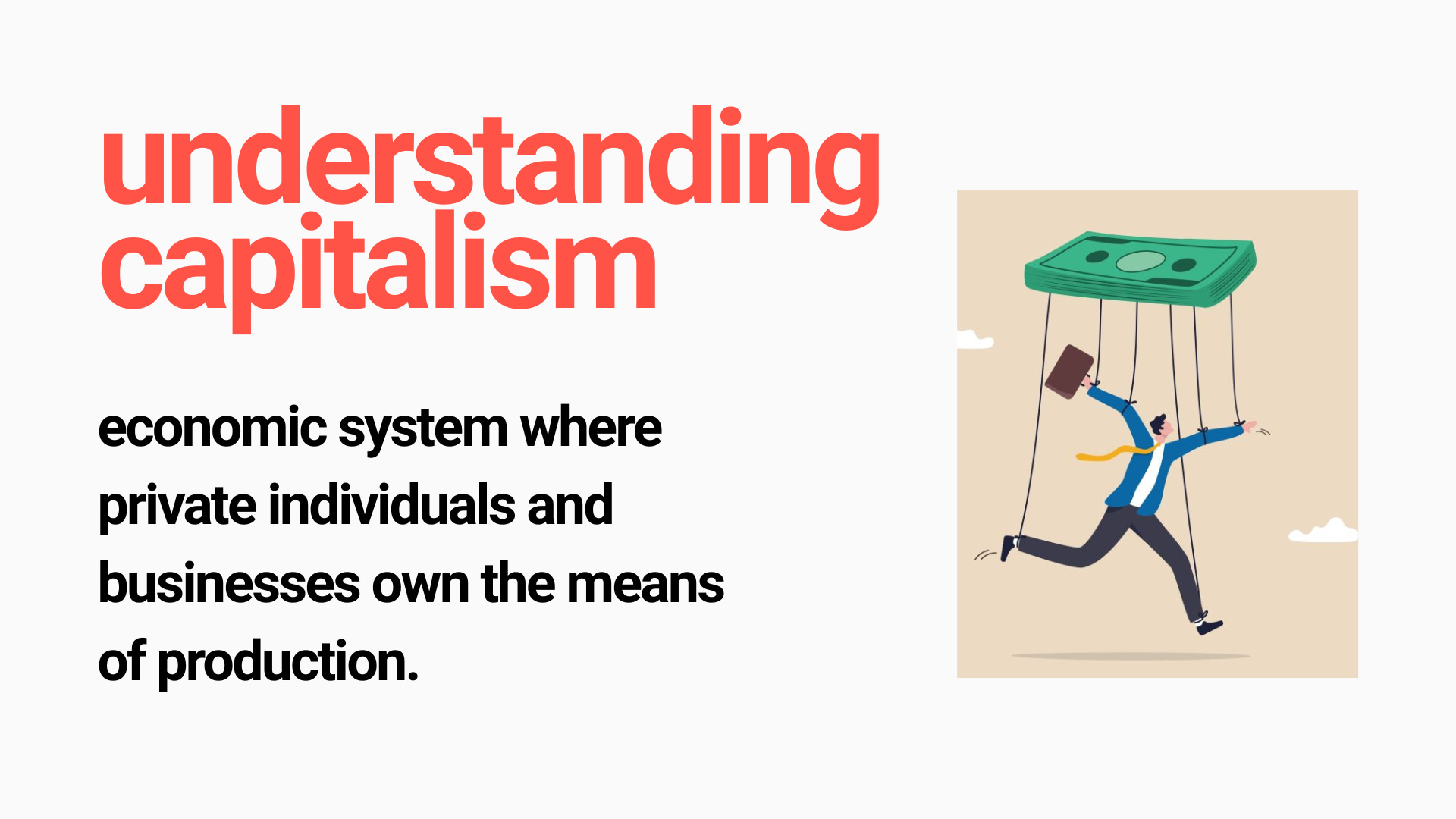
The driving force behind capitalism is profit.
This profit motive has fueled some of humanity’s greatest technological achievements. Smartphones, artificial intelligence, electric vehicles, private space exploration, cloud computing and countless medical breakthroughs were accelerated by companies competing to build something better than their rivals.
Competition encourages innovation because businesses that fail to improve eventually lose customers.
Capitalism also gives consumers choices. Instead of relying on a single government provider, people can choose between competing products and services that differ in quality, price and features.
WHERE DOES CAPITALISM FALL SHORT?
[
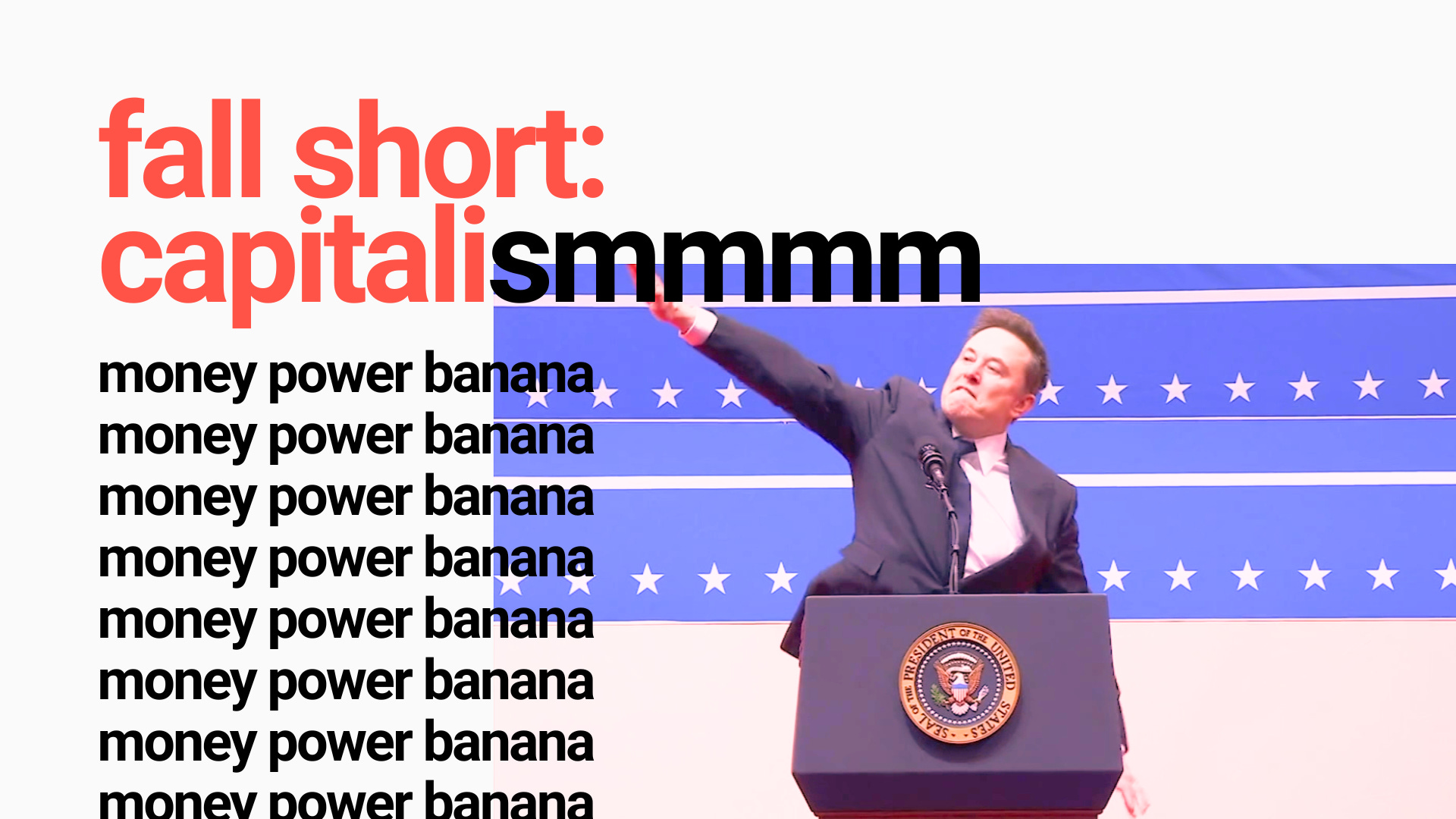
The markets are not perfect.
One of capitalism’s biggest criticisms is the concentration of wealth into the hands of the few. As capital accumulates, those who already own assets often see their wealth grow faster than the masses who rely solely on wages. This widens the inequality and makes social mobility difficult.
Sectors like public health, environmental protection, disaster preparedness and scientific research often require government involvement because the financial returns may be uncertain or too distant for private investors.
And in capitalism, emerges “Monopoly”.
The failure of regulation reduces competition and ultimately harms the consumers.
This pattern has been repeated over the span of years.
UNDERSTANDING SOCIALISM
Socialism starts from a very different principle.
Instead of allowing markets to determine everything, socialism argues that certain goods and services should be managed collectively because they are essential for human well-being rather than profit.
[
Depending on the model, this may involve public ownership of industries, work ownership, or simply a stronger role for government in providing essential services.
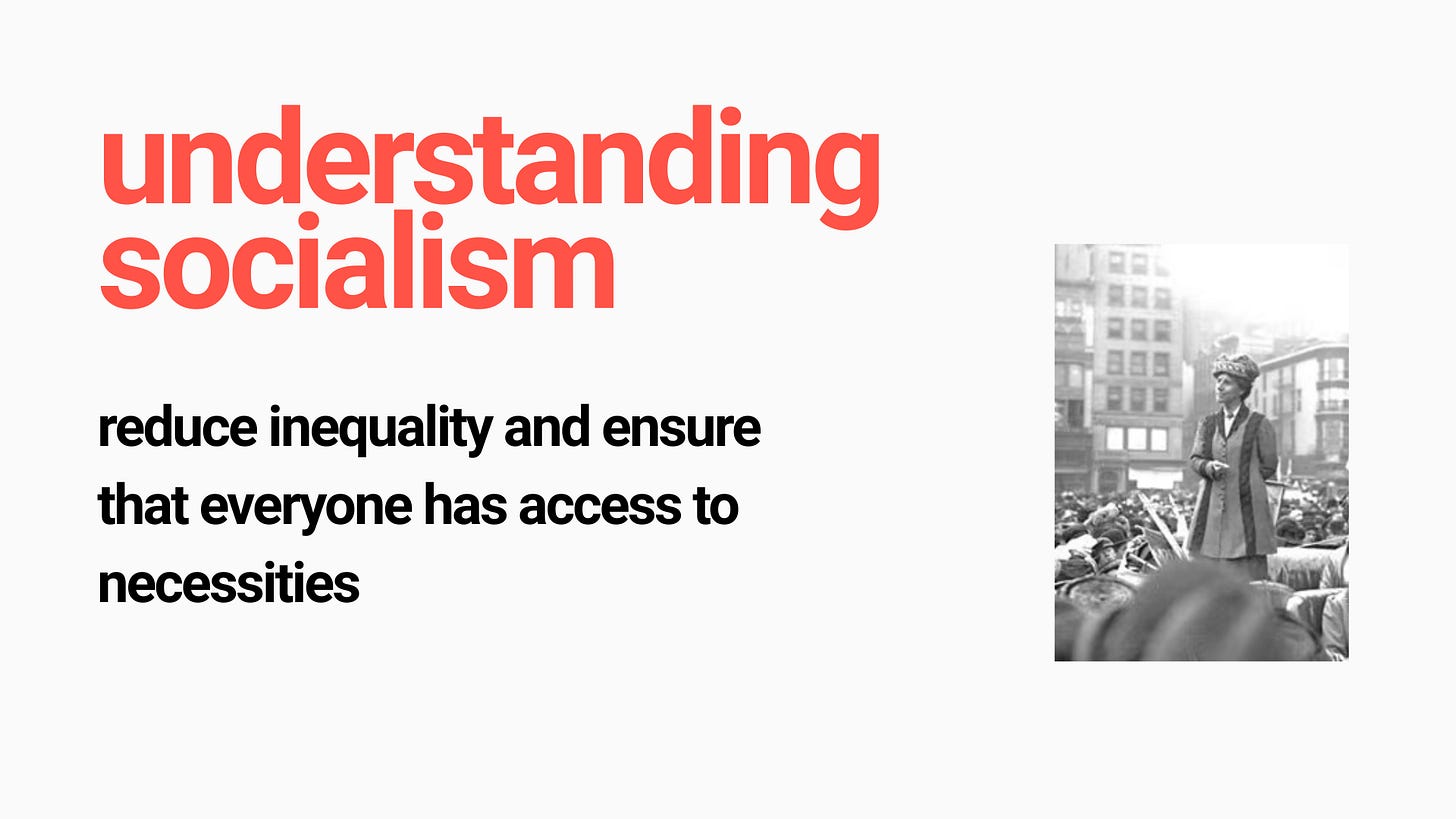
The primary goal is to reduce inequality and ensure that everyone has access to necessities such as healthcare, education, housing assistance and social security.
WHAT SOCIALISM DOES WELL
When public services improve, the quality of life improves
When universal healthcare is implemented, Families worry less about catastrophic medical expenses.
When public education is more accessible, literacy rises, A better skilled workforce is created.
Many countries have adopted socialist- inspired policies. The best examples would be the Nordic Countries (Sweden, Norway, Denmark).
THE CORE CHALLENGE OF SOCIALISM
Problems exist when governments control becomes excessive.
If most industries are controlled by the state, competition declines.
Without competitive pressure, organizations might become slow and less efficient comparatively. That doesn’t mean every socialist policy fails.
It means the degree of government involvement matters.
REALITY CHECK: MIXED ECONOMY
The popular narratives presents capitalism and socialism as opposites but I believe that reality tells a different storyline.
The United States is seen widely as a capitalist nation, yet it funds public education.
The Nordic countries are frequently labeled as socialist countries but they have thriving private businesses, competitive markets and vibrant startup ecosystems.
China is a combination of extensive state owned enterprises with highly competitive private companies and market-based manufacturing.
So, No Major Economy today is purely capitalist or purely socialist!
The future of the global economy will not belong to countries that blindly follow ideology. It will belong to those that can successfully balance innovation with inclusion, growth with sustainability, and markets with accountability.
Get new posts by email
No spam, no selling your data — unsubscribe any time. Run on open-source tooling you own.
or follow via RSS →